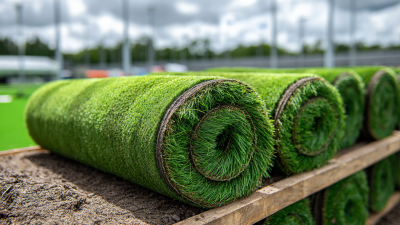
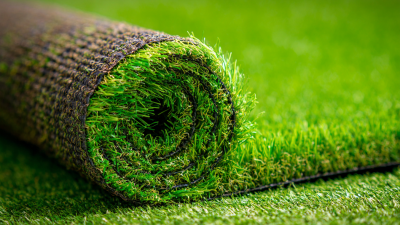
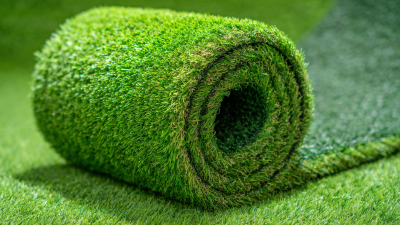
Hey, have you noticed how modern landscaping and sports facilities are changing? More and more, people are turning to Artificial Turf Rolls to revamp both outdoor and indoor spaces. It’s pretty amazing—these days, you see lush, vibrant fields popping up everywhere, and it’s not just for looks, but they’re super functional too. According to a market report by Research and Markets, the global artificial turf market is on track to hit around USD 5.4 billion by 2025. That’s mainly because it looks great and is super durable. At Sanhe Do It The Way Sporting Industrial Co., Ltd., our goal is to build innovative, high-performance training areas that go beyond expectations—whether for sports venues or gyms. The cool thing about Artificial Turf Roll is how versatile it is—making spaces look fantastic while also offering a safe, low-maintenance option that can handle heavy use. All in all, it’s really helping improve athletic performance and making recreational activities more enjoyable—and honestly, it’s exciting to see how it’s changing the game!
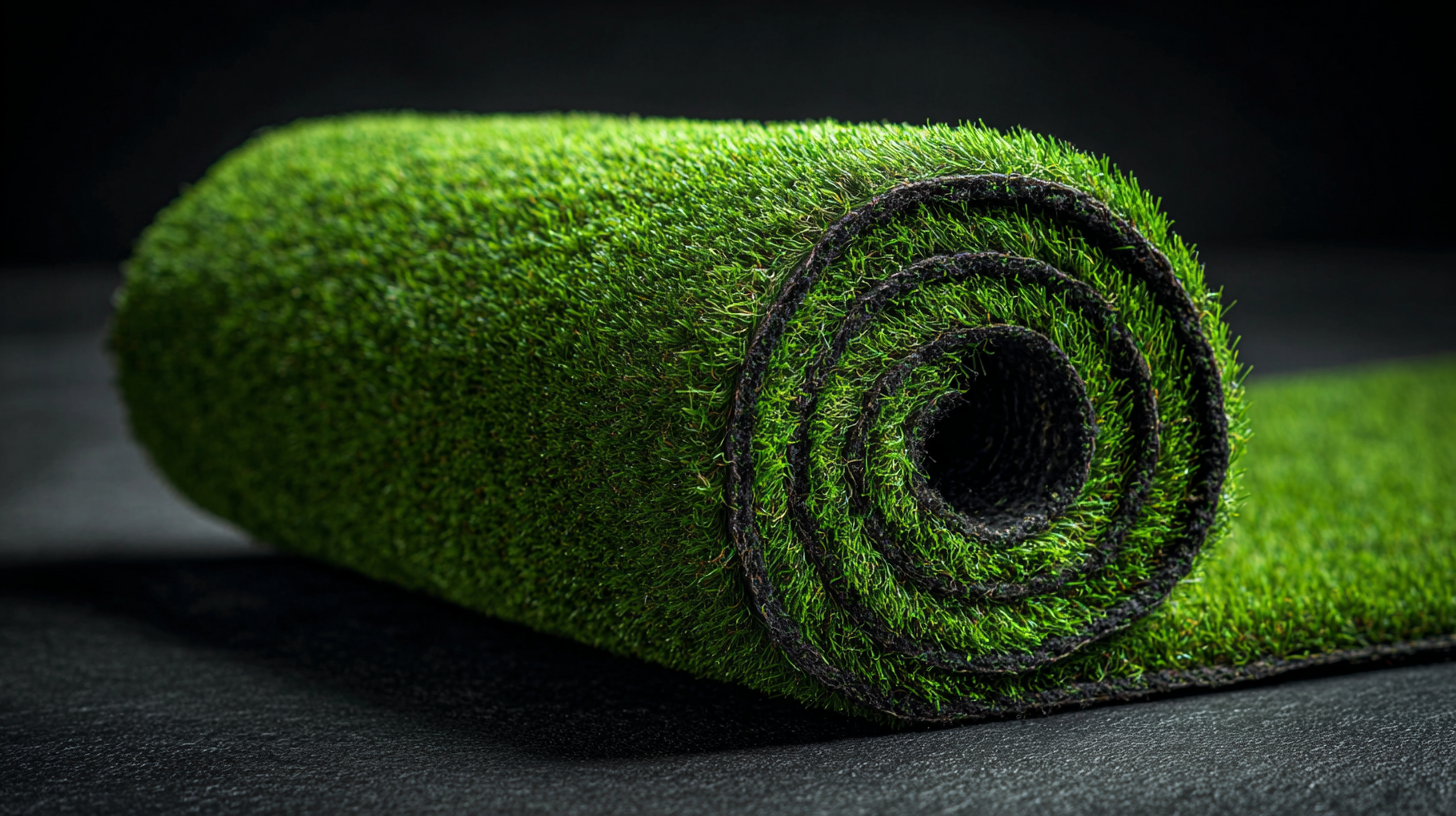
Examples of Artificial Turf Roll Applications in Residential Gardens and Backyards
You know, artificial turf rolls have totally changed the game for homeowners looking to jazz up their gardens and backyards. It’s become a super popular alternative to natural grass because it’s so low-maintenance and always looks great. Honestly, many folks are just drawn to how lush and durable it feels—making it perfect for creating beautiful outdoor spaces without the hassle. One cool idea? Turning a section of your yard into a fun, colorful play zone for the kids. With artificial turf down, parents can breathe easy knowing it’s soft, safe, and mess-free—no more worries about muddy shoes or grass stains. Plus, it keeps the yard looking fresh and tidy, even after a bunch of backyard fun.
Another thing I love about using artificial turf in residential areas is how it can jazz up your landscaping. You can add little green patches in spots like patios and walkways to break up the hardscape and bring in some natural vibes. For example, slipping some turf strips between pavers not only makes things look better but also creates a comfy space for hanging out or relaxing. And get this—people are actually using it to define different zones, like cozy spots for chilling or pet areas, so each part of the yard feels a bit more special. Best part? You get all the charm of real green space without the headache of traditional grass upkeep.
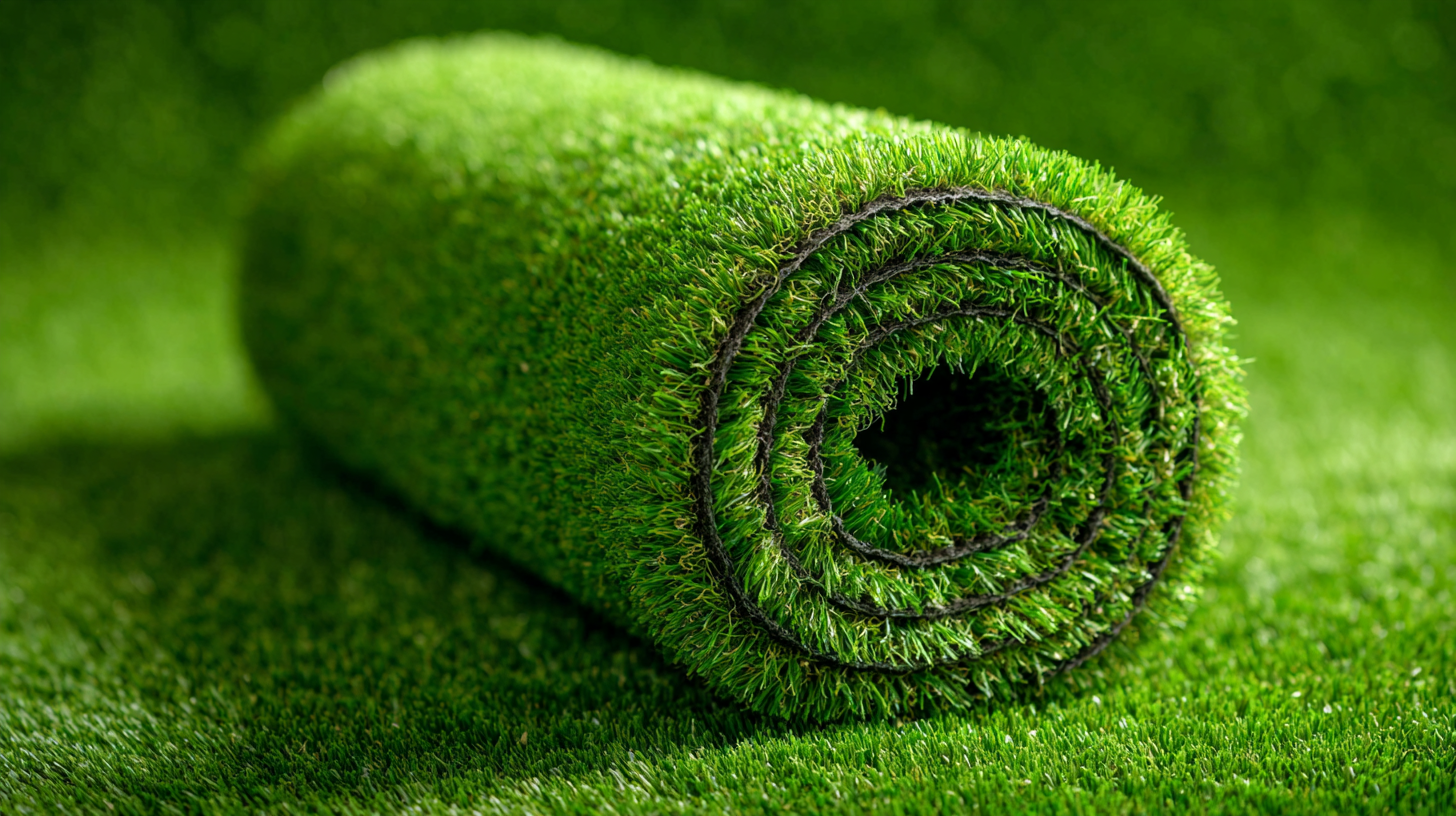
Environmental Benefits of Using Artificial Turf in Modern Landscaping Projects
Lately, I've noticed how artificial turf has been popping up more and more in modern landscaping trends, and honestly, it’s bringing some pretty cool environmental perks along with it. For starters, it’s a game-changer when it comes to saving water. You know how traditional grass lawns can be such a water hog—especially in drought-prone areas? Well, switching to fake grass means you can cut down on water use big time, which is fantastic for the environment and helps ease the strain on local water sources.
And there’s more—artificial turf doesn’t need chemical fertilizers or pesticides to stay green and lush. Those chemicals can seep into the soil and waterways, posing risks to wildlife and even us humans. By choosing Synthetic Grass, you’re not just making your yard look nice; you’re actually making it more eco-friendly. Plus, most of these synthetic options are made from recyclable materials, so it’s a more sustainable pick overall—less resource consumption ongoing.
All in all, swapping out natural grass for artificial turf doesn’t just give your landscape a fresh, tidy look; it’s also a pretty smart move for the environment. It’s a win-win situation—beauty and sustainability, all in one shot.
Environmental Benefits of Using Artificial Turf
This chart illustrates the key environmental benefits of using artificial turf in modern landscaping and sports facilities, including significant water savings, reduced pesticide usage, decreased maintenance hours, and minimized waste production.
Cost Analysis: Long-term Savings with Artificial Turf in Sports Facilities
Lately, artificial turf has really changed the game when it comes to sports facility landscaping. It’s not just about looking good — although, it definitely does that — but also about practical perks. More and more, places are going for turf options that help them perform better and save money in the long run. Unlike real grass, which needs constant attention, watering, and sometimes replacing, artificial turf is pretty low-maintenance. That means fewer trips for landscaping services, lower water bills, and less wear and tear on equipment. For organizations trying to stretch their budgets, it’s a no-brainer — a smart choice that pays off over time.
At Sanhe Do It The Way Sporting Industrial Co., Ltd., they totally get how important it is to create high-performance, innovative spaces for sports sites and training centers. By using FITFLOR’s artificial turf, facilities can boost their looks while also making sure it’s safe and functional for athletes. One of the best parts? This turf is super durable and can handle use all year round — no more worrying about the grass wearing out or getting damaged. It’s really a great investment for sports organizations wanting to level up their training environments without breaking the bank in the long run.
Innovative Design Ideas: Enhancing Aesthetic Value with Turf Roll in Public Spaces
Artificial turf rolls have really changed the game when it comes to public spaces. They bring fresh design ideas that not only look good but also offer some practical perks. For example, you’ll often see vibrant, lush turf popping up in parks and plazas, giving these urban spots a breath of fresh air. It’s like they literally make the city livelier, turning dull areas into inviting spaces where folks can kick back or hang out with friends. And if you get a little creative—maybe add some cool patterns or splash of color with the turf—it makes the whole place more visually interesting and helps build a real sense of community.
But it’s not just parks—artificial turf is making a splash in streetscapes and commercial zones, too. Retailers, for instance, are using turf to craft unique storefronts that really grab your attention. It’s a clever way to bring a touch of nature into busy city life. Plus, people love it because it encourages folks to stop and take a moment—something you don’t always get from typical concrete sidewalks. Another big bonus? Since turf doesn’t need much maintenance and lasts a long time, it’s a super eco-friendly choice—helping cities cut down on water use and lawn care costs. As more towns and cities jump on this bandwagon, I think we’ll start seeing even more beautiful, sustainable public spaces popping up everywhere.
Case Studies: Successful Implementation of Turf in School Playgrounds and Athletic Fields
Lately, artificial turf has really been changing the game when it comes to modern landscaping and sports facilities. You probably see it a lot now, especially on school playgrounds, where it offers a safe, sturdy surface for all kinds of fun and recreational stuff. I mean, a lot of schools have swapped out their grass for fake turf, and honestly, it’s a win-win — it cuts down on maintenance costs and gives kids a consistent, ready-to-go play area no matter the weather. Plus, it makes the playground look way nicer and definitely gets students more excited to hang outside and stay active, which is pretty awesome.
And it’s not just schools. Sports fields have also jumped on the artificial turf bandwagon. Many colleges and high schools across the country are now using it for their fields, and the benefits are pretty clear — better playing conditions and fewer injuries for athletes. I remember hearing about a local high school that upgraded their football field to turf. The best part? They can use it all year round now, no matter if it’s raining or scorching hot. It’s got great grip and shock absorption, so players perform at their best and the whole thing costs way less in maintenance than fixing up natural grass. All in all, these stories show just how versatile and practical artificial turf really is, whether you're talking about having fun or playing serious sports.
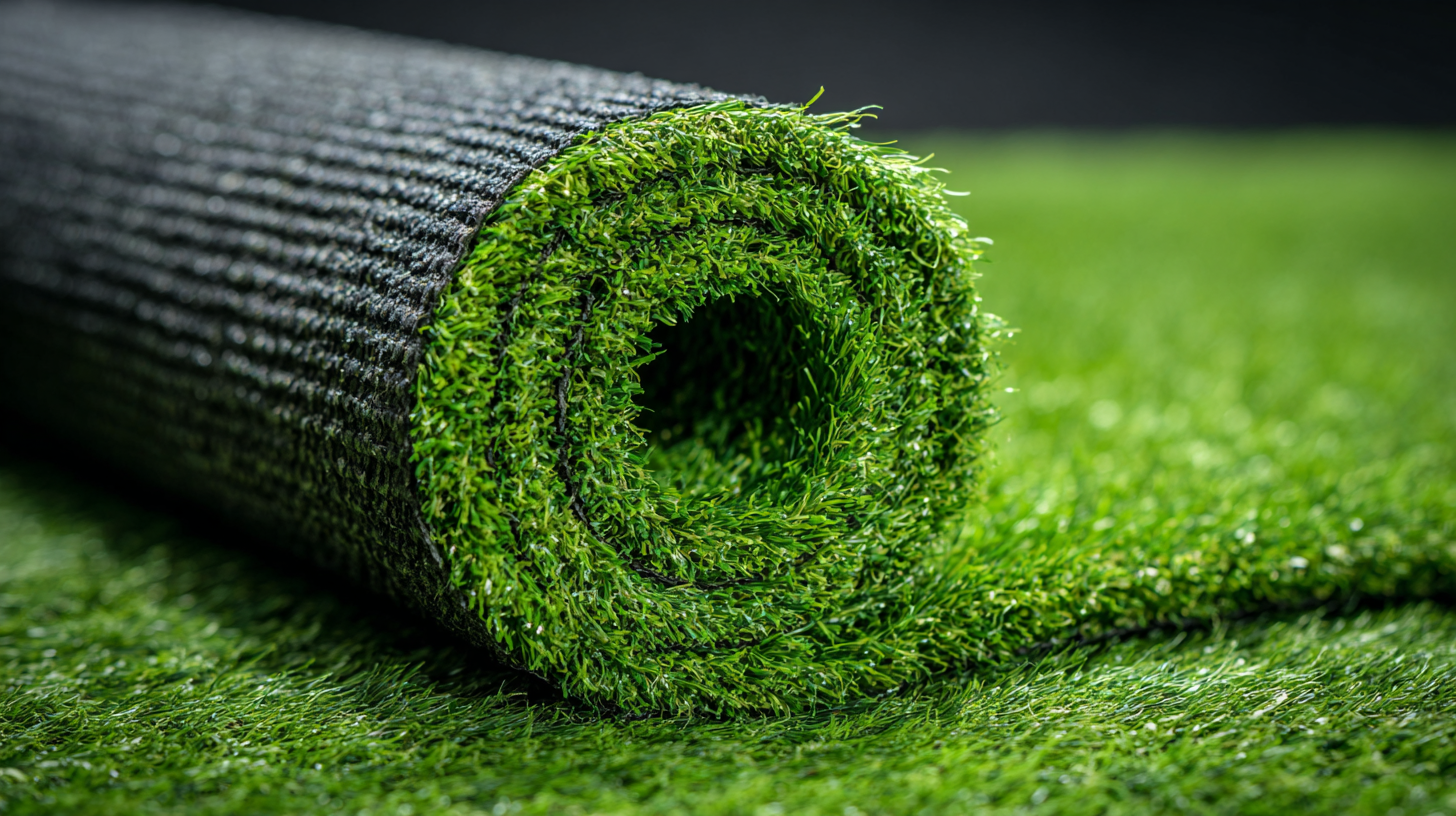
Future Trends: The Evolution and Advancements in Artificial Turf Technology
You know, the way artificial turf has been evolving over the years is pretty amazing. It’s really changed the game—not just for fancy landscaping but also for sports fields. It’s like we’re constantly pushing the boundaries when it comes to design and how we use these materials. Plus, it’s hard to ignore all the recent efforts from the government to push things like "Artificial Intelligence +" across different sectors. They’re really emphasizing how important it is to bring new tech into our daily lives. And get this—by 2025, the market for artificial turf is expected to hit around $5.4 billion. That’s a clear sign that folks want better, more sustainable options, not just for sports but also for their own yards. More homeowners are now choosing tough, low-maintenance turf that looks good without messing up the environment, you know?
And here’s the exciting part—this whole AI thing is opening up loads of new opportunities for turf makers. By using machine learning and data analytics, companies can tweak their products and improve how they install the turf, leading to products that last longer and handle wear and tear better. Some studies even say that applying AI in manufacturing could boost efficiency by up to 30%, meaning faster production and lower costs. It’s pretty clear that blending advanced tech with turf production is going to shape the future of both landscaping and sports places. Honestly, it feels like we’re heading toward a smarter, greener world, and I’m here for it.
10 Innovative Examples of Using Artificial Turf Roll in Modern Landscaping and Sports Facilities - Future Trends: The Evolution and Advancements in Artificial Turf Technology
| Application | Key Features | Environmental Benefits | Cost Efficiency | Future Trends |
| Residential Landscaping | Low maintenance, natural look | Reduction in water usage | Saves on lawn care costs | Integration with smart irrigation systems |
| Sports Fields | Durability, consistent playing surface | Less chemical runoff | Reduced maintenance costs | Enhanced player safety with advanced materials |
| Rooftop Gardens | Lightweight, customizable | Improved insulation | Lower energy costs | Use of eco-friendly materials |
| Dog Parks | Comfortable for pets, easy to clean | Reduction in dust and mud | Lower upkeep costs | Use of antimicrobial technology |
| Playgrounds | Shock absorbent, vibrant colors | Contributes to safer play areas | Low repair and maintenance costs | Increased focus on child safety |
| Commercial Landscapes | Professional appearance, versatile design | Less water and maintenance required | Cost savings over time | Sustainable landscape practices |
| Community Gatherings | Flexible use and layout | Supports local ecology | Long-term cost benefits | Adaptability for events and seasons |
| Athletic Training Centers | High performance, all-weather use | Less environmental impact due to reduced water | Improved training efficiency | Trend towards custom synthetic solutions |
| Event Venues | Versatile, easy setup | Lower carbon footprint | Cost-effective temporary solutions | Increased use of mobile installations |
FAQS
: Artificial turf provides a lush appearance, durability, and a low-maintenance alternative to natural grass. It creates safe play areas for children, remains pristine even after heavy use, and enhances the aesthetic appeal of outdoor spaces.
Homeowners can integrate artificial turf strips between hardscape elements like patios and walkways, which softens the aesthetic and creates comfortable gathering spaces. It can also define areas for lounging or pet-friendly zones.
Yes, artificial turf provides a safe, soft ground for play, eliminating concerns about muddy shoes or grass stains while ensuring consistent usability, regardless of weather conditions.
Artificial turf significantly reduces maintenance costs as it doesn’t require mowing, watering, or fertilizing. This makes it a more convenient option for busy homeowners.
Schools have adopted artificial turf to provide a safe, durable surface for recreational activities, reducing maintenance costs and ensuring that playgrounds remain usable in various weather conditions.
Athletic fields with artificial turf offer improved playing conditions, lower injury risks, and year-round usability, minimizing downtime due to weather and overuse while also substantially reducing maintenance needs.
Yes, artificial turf enhances the visual appeal by introducing green patches and creating unique character in defined areas, making outdoor spaces more inviting and enjoyable.
Absolutely, artificial turf allows for year-round use, providing a reliable surface for both play and sports, which is especially beneficial in varying weather conditions.
By providing a consistent and safe play surface, artificial turf encourages students to engage in outdoor activities, promoting physical health and well-being.
Artificial turf is suitable for a variety of environments, including residential gardens, backyards, school playgrounds, and athletic fields, offering versatile applications across different settings.
Conclusion
Lately, artificial turf rolls have really shaken up the world of landscaping and sports facilities. They’re a pretty cool solution that boosts both how things look and how well they work. Whether it’s a cozy backyard garden or a massive sports field, these versatile turf options are a green alternative that can cut down on water use and save on maintenance costs — which is a big deal. Plus, they actually help keep play areas safer, so you’ll see them popping up more in school playgrounds and sports venues.
On top of that, the eco-friendly perks and savings you get over time make artificial turf an attractive choice for sports complex owners and landscapers alike. Companies like Sanhe Do It The Way Sporting Industrial Co., Ltd. are leading the charge here, creating turf solutions that not only look great but also keep players safe. And as technology keeps improving, it’s pretty exciting to think about what’s next for this kind of landscaping innovation — the future’s looking pretty promising!